Quick Summary
Google now lets reviewers use a nickname and custom profile image on Google Maps and Google Business Profile reviews. For addiction treatment and behavioral health programs, this can increase stigma-sensitive, honest feedback, but it also raises the risk of fake, abusive, or “unmatchable” reviews you cannot tie to a real patient record. This post explains what changed and how to update your review SOPs so you protect trust, stay compliant, and handle disputes using policy violations and documented patterns.
Key Takeaways
- Nicknames can increase review volume from real patients and families who want privacy
- It is harder to verify negative claims, so internal review processes must rely on details and plausibility, not names
- Monitoring and documentation matter more: track patterns, screenshot, and log disputed reviews
- Disputes should focus on clear policy violations and repeatable evidence, not “we cannot find this person”
Why This Google Reviews Update Matters for Behavioral Health
Google quietly rolled out a major change to Google Maps and Google Business Profiles that affects how patients and families leave reviews for your facility. People can now swap their real name for a nickname on public reviews, with a custom profile image to match.
For addiction treatment and behavioral health centers, this update cuts both ways. It can encourage more honest, stigma-sensitive feedback and make it harder to trace abusive or misleading reviews.
This article breaks down what changed, why it matters in our space, and how your team should adjust its review strategy as part of your broader addiction treatment marketing and behavioral health marketing efforts.
What Exactly Did Google Change?
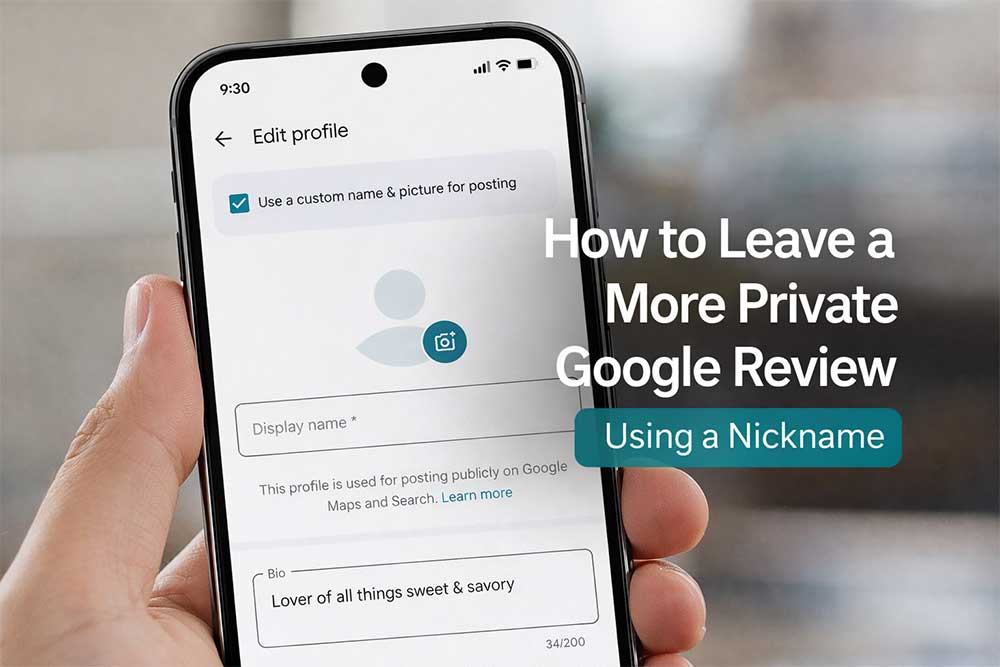
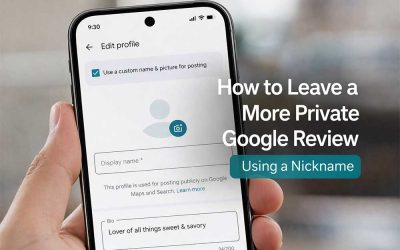
Google announced a new feature for Google Maps that lets users choose a nickname and profile picture that will appear on every review they write.
Key points:
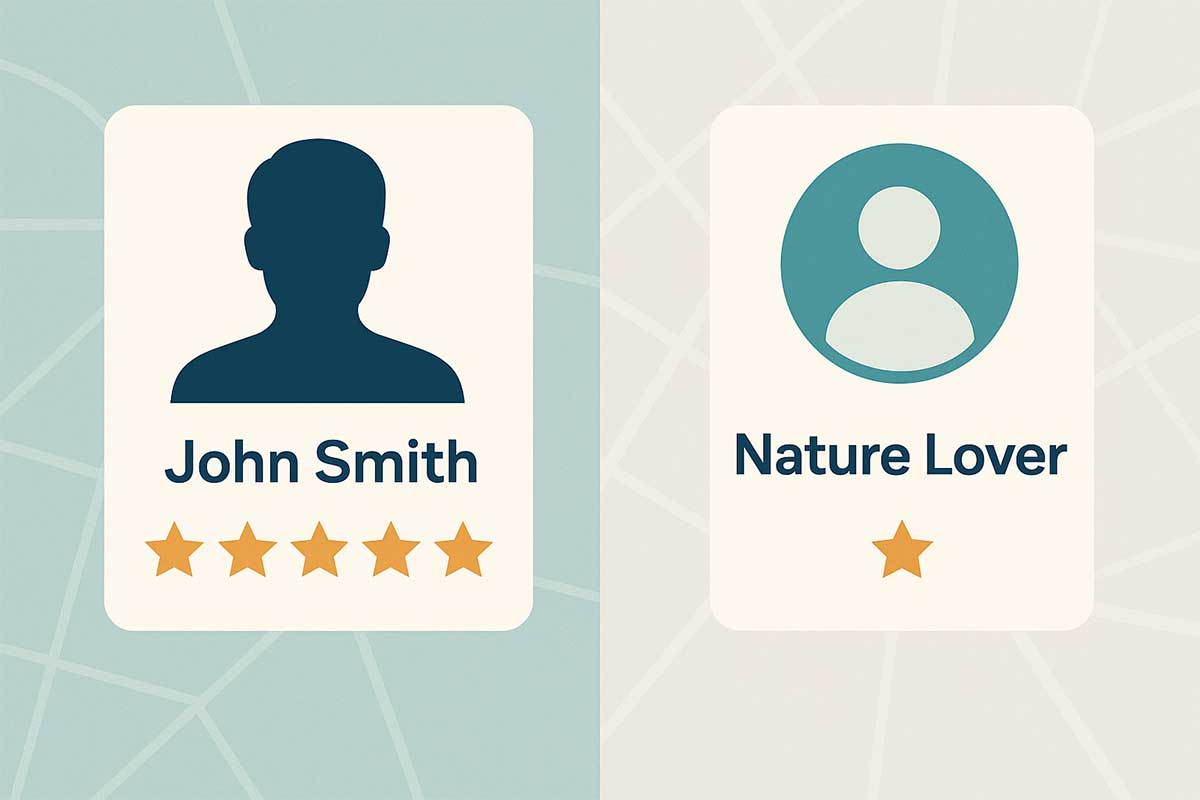
- Reviewers can pick a display name like “Grateful Mom,” “Hopeful Alumnus,” or “Anonymous Advocate” instead of their real name.
- The nickname and avatar are used across reviews in Google Maps and on Google Business Profiles.
- Behind the scenes, every review is still tied to a real Google account, and Google says its automated systems still monitor for suspicious or fake reviews 24/7.
- The feature is rolling out globally on Android, iOS, and desktop.
From your side, the public name shown on a review may no longer match any patient or family record. Google will still know who is who, but you will not.
If Google Business Profile is already a key part of your treatment SEO strategy, this change touches both visibility and reputation management.
Why This Update Matters for Every Business (and especially addiction and behavioral health)
For any local business that relies on Google reviews, this change lowers the friction for both genuine praise and unfiltered criticism. When people can leave a quick one-star review under a nickname instead of their full name, it becomes easier to leave a quick one-star review after a frustrating interaction, even if there was no real relationship with the business in the first place.
That means more situations where:
- Someone vents publicly instead of speaking to staff or management.
- A passerby who never became a customer still leaves a negative review.
- A competitor, disgruntled former employee, or spammer feels bolder about attacking a business because their real name is not on the page.
Every restaurant, dental office, gym, contractor, or retail shop now faces a higher risk of drive by reviews that are hard to connect to a real customer record.
Why the Stakes Are Higher in Addiction and Behavioral Health
For addiction treatment and behavioral health centers, the same feature cuts much deeper. Reviews are not just about slow service or incorrect orders. They often describe clinical care, staff behavior, safety concerns, medication management, and life changing outcomes.
Anonymous style nicknames influence core issues in this space:
- Stigma and privacy: Many patients and families want to share their experience, but do not want their full name linked forever to a rehab or psychiatric facility. Nicknames make that easier, which can increase honest feedback from people who need privacy.
- Risk and accountability: When a review alleges negligence, abuse, or serious clinical errors, leadership has to investigate. With nicknames, you may not be able to match that public identity to any chart, which complicates internal review, risk management, and regulatory response.
- Volume of unmatchable reviews: You will see more reviews that you cannot confidently connect to an admission, assessment, or family interaction. Some will be valid but hard to verify. Others may be exaggerated or completely fabricated.
So while anonymous style reviews affect every local business, they have outsized consequences in addiction and behavioral health, where public feedback intersects with clinical care, licensing, and trust.
The Upside: More Honest, Detailed Reviews You Can Use
There is real upside here, especially in our niche.
You can expect more reviews from:
- Current and former patients who want privacy from coworkers, future employers, or extended family.
- Parents, partners, and adult children who want to speak candidly about family systems, finances, or crises without their real names attached.
- Professionals in tight knit communities where a last name instantly reveals identity.
Your center can frame this as a privacy friendly way to support others:
“If you would like to share your experience, you can use a nickname in Google Maps so your review does not show your real name in public results.”
More reviews that describe real groups, therapists, and modalities in plain language are exactly what patients and search algorithms reward, especially when they reinforce the work you present on your behavioral health marketing and SEO driven content.
The Downside: Easier Cover For Fake, Abusive, And Extortion Style Reviews
This change also gives bad actors emotional cover.
Here is what your leadership team should anticipate:
- Harder to validate
You will see more reviews where you genuinely cannot tell if the person ever received care with you because the name is made up. - Coordinated spam and harassment
A disgruntled past client or family member can spin up fresh accounts, pick playful nicknames, and fire off a series of one star reviews over time. - Personal attacks on staff
Nicknames can embolden some people to make extreme claims about clinicians, techs, or leadership, knowing their real name is not visible. - More friction in removal requests
When you ask Google to remove a review, you will have even less identity-based evidence. You will have to lean on clear policy violations and pattern-based documentation instead of “no such patient in our system”.
This does not mean you are powerless. It does mean your review management SOPs need an update that sits alongside your overall digital strategy and the way you use SEO as a digital lifeline for your programs.
How Your Facility Should Adapt Its Review Strategy
Here are practical steps we are recommending to addiction treatment and behavioral health clients.
1. Update How You Ask For Reviews
Adjust your patient and family outreach scripts to normalize nicknames in a positive way.
Example phrasing:
- “If you feel comfortable, sharing a review on Google helps other families find safe care. You can use a nickname instead of your real name.”
- “Please avoid including private clinical details or anyone else’s full name. Focus on what helped you, the staff, and what you would want other families to know.”
This invites more feedback while still protecting privacy and HIPAA boundaries.
2. Train Staff To Assess Reviews Without Relying On The Name
Shift the internal mindset from “Does this name match anyone?” to “Does this description match any known episode of care?”
Give your team simple checks:
- Does the review reference real programs, locations, clinicians, or timelines that make sense for your facility?
- Is the complaint specific and plausible, or vague and sensational?
- Is the reviewer’s history brand new, or do they have a long pattern of local reviews?
Identity becomes one data point, not the foundation.
3. Strengthen Monitoring And Documentation
Addiction and behavioral health are heavily regulated, high risk environments. When a review alleges negligence, abuse, or malpractice, your team has historically tried to match that name to internal records and then investigate from there.
Nicknames break that pattern.
You may see:
- Angry or inaccurate reviews that are harder to link to any chart or admission.
- Coordinated attacks from a single person cycling through new accounts and nicknames.
- Complaints that mix partial truth with fabricated details, but give you no clear way to verify.
The result is simple: the volume of “unmatchable” reviews will grow, and your response playbook, monitoring, and documentation processes need to account for that.
With nicknames in play, patterns matter more.
Your marketing or compliance lead should:
- Track spikes in negative reviews by date and time.
- Group reviews that use similar language, tone, or repeated phrases.
- Capture screenshots before and after responding.
- Maintain an internal log of “disputed reviews” with your reasoning.
That log becomes your evidence when you ask Google to remove reviews that clearly violate review policies. It also helps align your clinical, compliance, and marketing teams on what is happening.
4. Sharpen How You Escalate To Google
Since you cannot lean on “no patient by this name”, escalation requests should focus on:
- Clear policy violations: hate, slurs, threats, explicit medical accusations with no visit, and doxxing.
- Obvious conflicts of interest: competitors, fired staff, marketers trying to extort you.
- Demonstrable patterns: multiple accounts created the same day, all reviewing only your facility with near identical language.
Cite specific parts of Google’s review policies when you submit a dispute, rather than simply saying “fake” or “not a patient”.
5. Refresh Your Response Templates
You will need response templates that work even when you cannot validate who wrote the review.
For a vague negative review that you cannot match:
“We are sorry to read this feedback and take concerns about care very seriously. We are not able to identify your record from the details provided, so we invite you to contact our leadership team directly at [phone/email] so we can review your experience in more detail.”
For an obviously abusive or fabricated review:
“We work hard to maintain a safe, respectful environment for patients, families, and staff. The description in this review does not match our records or practices. If you have a specific concern, please contact us at [phone/email] so we can discuss it privately and appropriately.”
Later, if Google reviews the content, your public reply shows professionalism and invites resolution offline.
Key Takeaways For Addiction And Behavioral Health Leaders
- Google is rolling out anonymous-style nicknames for Google Maps and Google Business Profile reviews, while still tying every review to a real Google account in the background.
- Anonymous Google reviews make it easier for patients and families in addiction treatment and mental health programs to share honest feedback without exposing their full identity.
- The same feature increases the risk of “unmatchable” reviews, where you cannot easily confirm if the reviewer ever received care at your facility.
- Strong review SOPs now need to focus on patterns, documentation, and policy based disputes instead of relying on the reviewer’s real name.
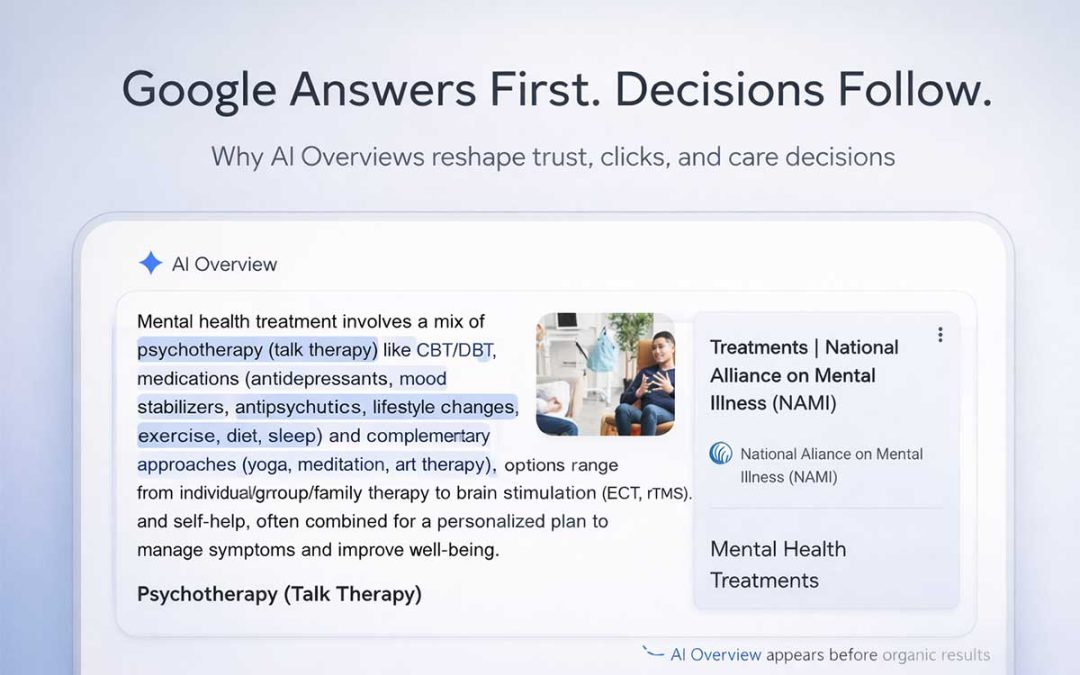
- Centers that connect local SEO, AI friendly content, and consistent review management are more likely to be treated as trusted sources in AI Overviews and future Google surfaces.
FAQs
Can I hide my name on Google reviews?
Yes. Google Maps lets reviewers post publicly using a custom display name and picture instead of their Google Account name and photo.
How do Google review nicknames work?
A reviewer can enable “Use a custom display name picture for posting,” then choose the name and image that show on their public contributions, including reviews.
Are Google reviews anonymous now?
Not fully. The review can look anonymous to the public because it shows a nickname, but it is still tied to a Google account behind the scenes.
How do I leave a Google review with a nickname?
In Google Maps (or the Google app), edit your profile and turn on “Use a custom display name picture for posting,” then set your display name and picture.
Will changing my display name update my old reviews?
Google says the custom name and picture are shown with your public contributions across Google Maps and Google Search, so changes can affect how your contributions appear going forward.
Do I need a Gmail address to leave a Google review?
You need a Google account to post a review, but you do not necessarily need a Gmail address.
Can I edit or delete my Google review after posting?
Yes. Google Maps lets you add, edit, or delete reviews and ratings after you post them.
Can a business remove a Google review?
A business cannot delete reviews on demand. Google will remove reviews only if they violate Google policies, and businesses can report them for review.
What kinds of Google reviews can be removed?
Reviews may be eligible for removal if they violate Google’s content policies, including cases where personal information is posted without consent.
If someone uses a nickname, can the business identify who left the review?
Usually not. The public name may not match any real-world record, even though Google still ties the review to a real account in the background.
How ProDigital Healthcare Can Support Your Team
If your center already has ProDigital Healthcare managing local SEO and reputation as part of your addiction treatment marketing, this update fits into a larger strategy rather than a one-off fire drill.
Support can include:
- Reviewing your existing GBP review playbook and updating it for the nickname era.
- Providing updated scripts for admissions, alumni, and family outreach that mention nicknames and privacy-friendly reviewing.
- Setting up enhanced monitoring to flag suspicious review patterns early.
- Drafting evidence based removal requests aligned with Google’s latest review policies.
- Creating response templates that are compliant for high risk allegations and sensitive topics like self-harm, relapse, and dual diagnosis.
The goal is not just defense. It is to encourage more authentic, stigma-aware feedback from the people you help, while keeping a firm line against genuine abuse.
If your team wants to adapt faster than competing centers, you can contact ProDigital Healthcare to review your current Google Business Profile setup, SEO, and review strategy together.